2026 RAM/SWANA Conference Agenda
PRE-CONFERENCE: TUESDAY, MARCH 31, 2026
Schedule Subject to Change
3:30 PM - 7:00 PM EXHIBITOR SETUP
Location: Minnetonka 1-6
4:00 PM - 5:30 PM SELF-TRAVEL TOURS
4:00 PM | Mystic Lake Hydronics Tour
The heating and cooling systems at Mystic Lake Casino were aging and needed to be replaced. The goal was to provide the best long-term economic value, while working towards the overall sustainability goals of the Community. Hydronics - a process where heating and cooling is achieved with tempered water running through piping and coils, was chosen for several reasons, including the benefit of removing approximately 6,000 pounds of refrigerant from the property. This tour will walk you through the new Hydronics plant on property and discuss the efficiency and environmental benefits of this process.
4:00 PM | Dakota Prairie Composting Tour
Come tour the Midwest’s largest food waste composting facility, Dakota Prairie Composting! Enjoy a quick presentation in our office building and then hop on a bus for a driving tour of the site.
4:00 PM | Liberty Tire Tour
Liberty is committed to partnering with industry leaders to help inspire a more sustainable planet. Liberty is continuously striving to find new and better ways to reclaim, recycle, reuse, and repurpose the more than 215 million end-of-life tires the Company collects annually for renewable solutions that benefit the long-term health of the world. As the market leader in tire recycling management in North America, diverting more than 4.5 billion pounds of rubber from landfills each year, Liberty’s passion is to make the world a better place to live for generations to come by boldly changing the way the industry approaches sustainability. Learn more at www.libertytire.com.
*Attendees must wear work boots with ankle support, no tennis or athletic shoes and strongly encouraged to wear clothing that can get dusty.
4:00 PM | Anchor Glass
6:00 PM - 8:00 PM KICKOFF AT LAUNCHPAD GOLF
LaunchPad Golf The Meadows
DAY 1: WEDNESDAY, APRIL 1, 2026
Schedule Subject to Change
7:00 AM - 8:30 AM EXHIBITOR SETUP
Location: Minnetonka 1-6
8:30 AM - 9:30 AM REGISTRATION, BREAKFAST, EXHIBITS
Location: Minnetonka Prefunction and Minnetonka 1-6
9:30 AM - 9:45 AM WELCOME
Location: Minnetonka 7-9
9:45 AM - 10:45 AM JOINT SESSION:
Location: Minnetonka 7-9
Recycling Panel: Critical Materials and Solar Panel Recycling
Following the 2024 legislative session, the MPCA was charged with appointing a 15-member task force to advise the agency on policy and program opportunities that would increase the recovery of critical materials — including aluminum, cobalt, copper, nickel, and silicon — from end-of-life products. The final report was published in December 2025 and included six recommendations to recover more valuable raw materials from Minnesota’s waste stream. You’ll hear from the MPCA about the task force and its recommendations and from two members of the task force who brought their expertise from the county and tribal government level. An additional speaker will describe the changes happening at a Minnesota business to accept solar panels for recycling.
Presenters:
Kash Khan, GreenTech Recycling
John Gilkeson, Minnesota Pollution Control Agency
Chris McConn, Otter Tail County
Kelly Applegate, Mille Lacs Band of Ojibwe
Moderator:
Paul Gardner, Recycling Association of Minnesota
10:45 AM - 11:00 AM BREAK & EXHIBITS
Location: Minnetonka Prefunction and Minnetonka 1-6
11:00 AM - 12:00 PM RECYCLING
Location: Minnetonka 7-9
Topics and Tactics in Waste Communications
Hear about some of the hot topics being addressed in waste communications and the innovative ways that staff from Ramsey County, Washington County and Ramsey/Washington Recycling & Energy are spreading the word. You'll hear about campaigns to encourage proper propane tank disposal and proper sharps disposal. You'll hear about tactics like working with influencers, partnering with county parks departments, and using door hangers. We'll also save some time to hear from folks in the audience about the creative ways you're reaching people.
Presenters:
Andrea McKennan, Ramsey/Washington Recycling & Energy
Tara Roffler, Ramsey County Environmental Health
Hannah Keller, Washington County Department of Public Health & Environment
Nicolette Linscott, Ramsey/Washington Recycling & Energy
Moderator:
Susan Heffron, Minnesota Pollution Control Agency
11:00 AM - 12:00 PM HAZARDOUS WASTE
Location: Isanti 1
Hazardous Waste Technical & Compliance Resources
This presentation will feature technical resources available both through the Minnesota Technical Assistance Program (MnTAP) and the MPCA’s Small Business Environmental Assistance Program and will close with our annual presentation by Josh Burman, MPCA, on hazardous waste compliance resources at the MN Pollution Control Agency along with regulatory updates from both the State and U.S. EPA perspective. MnTAP is an outreach program at the University of Minnesota that helps Minnesota businesses develop and implement industry-tailored solutions that prevent pollution at the source, maximize efficient use of resources, and reduce energy use and costs to improve public health and the environment, the MPCA’s Small Business Environmental Assistance Program assists businesses in achieving compliance with environmental rules and waste reduction, emissions and regulatory obligations.
Presenters:
Matt Domski, Minnesota Technical Assistance Program
Troy Johnson, Minnesota Pollution Control Agency
Josh Burman, MPCA’s Compliance Resources & Regulatory Guidance
Moderator:
Michael Reed, Ramsey County
11:00 AM - 12:00 PM SOLID WASTE
Location: Isanti 2
Landfill Gas Collection and Control System Optimization: Case Study
Presenter:
Bryan Weldon, Burns & McDonnell
Alternative Groundwater Intervention Limits for PFAS
Minnesota Rule allow for solid waste facilities to use alternative groundwater intervention limits if background concentrations are elevated in upgradient monitoring wells. This presentation walks through the process of determining alternative intervention limits at an MSW landfill that spray irrigates leachate. PFAS were elevated in the upgradient spray field wells potentially from historical biosolids application at the site. Several years of baseline monitoring and statistical analysis have been completed following an MPCA approved work plan, and alternative limits are expected in the next permit reissuance in 2026.
Presenter:
Jon Novak, Northeast Technical Services
Demonstration Research Projects at Landfills
This presentation cover MPCA demonstration research project program for solid waste, including its regulatory framework, application requirements, and environmental safeguards. It highlights real-world DRP case examples—such as landfill leachate treatment and beneficial use pilots—to illustrate how limited-scale projects are used to evaluate new solid waste management methods and inform future permitting or beneficial use decisions.
Presenter:
Brad Sullivan, Stantec
Moderator:
Crystal McNally, Dem-Con Companies
11:00 AM - 12:00 PM WASTE PREVENTION/REDUCTION
Location: Isanti 3
Demolishing Demolition: An Overview of Building Reuse and Deconstruction in Minnesota
Minnesota generates 1.6 million tons of construction and demolition waste yearly. Reclaimed building materials are incredibly valuable, but they still make up a significant portion of what gets landfilled in Minnesota. While still new, opportunities for reuse in deconstruction and demolition are becoming more prevalent and accessible nationwide. In Minnesota, these projects are supported by grants across the state, tax deductions, and potential streams of revenue from reclaimed materials. This panel will focus on the work being done across the state to promote building material reuse and deconstruction, plus opportunities to increase diversion in the future so that we can avoid landfilling valuable building materials.
This panel features organizations with varying roles in the deconstruction and reuse realm. Individuals that work at non-profits, state agencies, counties, and historic preservations will share where the current efforts are in the state regarding this topic as well as challenges that deconstruction and reuse face. We will also discuss where the future is leading and what individuals, governments, and organizations can do to push this agenda forward. Hosting and moderating the session is Waste Wise, a nonprofit organization providing grant funding, resources, and education on waste reduction, recycling and composting to businesses and organizations in Minnesota.
Presenters:
Melissa Wenzel, Minnesota Pollution Control Agency
Anna Schmiel, Rethos
Michelle Palm, Ramsey/Washington Recycling & Energy
Alex Baldwin, Better Futures
Moderators:
Audrey Woychick, Waste Wise
Abby Drehmel, Waste Wise
12:00 PM - 1:00 PM LUNCH & EXHIBITS
Location: Minnetonka Prefunction and Minnetonka 1-6
1:00 PM - 2:15 PM RECYCLING
Location: Minnetonka 7-9
Recycling Markets Panel
Come here the latest market trends in paper, plastics and metals from our four panelists.
Presenters:
David Keeling, PCIA/TCC
Peg Wander, Liberty Paper, Inc.
Jordan Fengel, Carton Council
Antoinette Smith, Resource Recycling
Moderator:
Susan Heffron, Minnesota Pollution Control Agency
1:00 PM - 2:15 PM HAZARDOUS WASTE
Location: Isanti 1
The Growing Challenge of Safely Managing Batteries
With battery technology improvements, the use of lithium batteries is increasing significantly. This translates into a growing challenge of ensuring these batteries are being managed properly at the end of life. Mismanagement is presenting a significant safety and fire risk to solid waste and recycling infrastructure. There is a catastrophic fire occurring at these facilities across the country at a rate of one per month as battery related fires are becoming more commonplace. Please join us to hear about the challenges of storing, collecting and transporting these batteries from the generator site to the end disposal/recycling facility. In addition, we will discuss how waste batteries are being managed on the back end and what metals can be recovered in the recycling process.
Presenters:
Steve Biermann, Veolia Hazardous Waste
Tyler Koepsel, Veolia Hazardous Waste
Moderator:
Ryan Gastecki, Hennepin County
1:00 PM - 2:15 PM SOLID WASTE
Location: Isanti 2
Leveraging Data & Automation in LFG Pumping Systems
Lorentz Energy progressive cavity pumping (PCP) systems are increasingly being applied to landfill gas (LFG) extraction wells where elevated temperatures and liquids loading reduce gas collection efficiency and create reliability problems. In these conditions, proactive liquids management is essential: liquid accumulation can restrict gas flow, drive operational retuning, and contribute to unstable wellfield performance. Lorentz addresses these challenges by pairing down well PCP dewatering with integrated sensor inputs and a remote monitoring/control platform that enables real-time awareness, automated protection, and rapid operational response.
A core differentiator is how field data is converted into actionable control. Level sensor data (liquid depth/presence) is used for pump-to-level logic, duty cycling, and setpoint-based operation to keep wells consistently dewatered without excessive run time. Level trends also provide early indicators of changing well hydraulics or developing discharge problems—allowing operators to intervene before a well fully “waters in” and loses performance. Downhole temperature sensor data provides continuous visibility into thermal behavior at depth, supporting early identification of hotspots, abnormal reactions, or operational changes that correlate with temperature excursions. When combined with level and pumping trends, temperature data helps isolate whether rising heat is associated with liquids loading, changes in extraction conditions, or conveyance restrictions.
Force main operating pressure data (discharge pressure) adds another layer of protection and diagnostics. High-pressure events can signal line blockage, closed valves, fouled check valves, or scaling that can strain pumps and reduce extraction. Low-pressure signatures may indicate leaks, air/gas lock, or flow interruptions. Monitoring discharge pressure enables alarms, automated protective responses, and faster root-cause identification—reducing repeat failures and unnecessary site visits.
Lorentz leverages remote monitoring and control (PS Commander / Lorentz Global) to unify these datasets—levels, temperatures, and pressures—into real-time dashboards, historical trending, and automated alerts. Operators can validate conditions remotely, prioritize response to exceptions, and adjust operating parameters without immediate field dispatch. The result is higher pumping uptime, increased liquid extraction volume, and more stable LFG well performance.
Critically, improved liquids control supports landfill temperature management by maintaining consistent gas extraction performance and reducing the need for aggressive vacuum adjustments that can increase the risk of air intrusion. With continuous temperature trending and rapid alerting, teams can respond earlier to thermal anomalies, align dewatering with wellfield tuning, and reduce downtime that worsens heat and liquids-related instability. This presentation will share operating concepts, data-driven control strategies, and practical KPIs (time dewatered, alarm frequency, pressure/temperature exceedance duration, and extracted volume) to demonstrate how sensor-enabled PCP dewatering improves reliability, liquids removal, and temperature control in elevated-temperature landfill waste cells.
Presenters:
Eric Macias, Lorentz Energy
Designing a Practical Wireless Monitoring Network for Landfill Operations: From Sensors to Dashboards
Landfill operations rely on timely, accurate information to manage leachate, groundwater, and other critical infrastructure, yet many facilities still depend on manual site checks and fragmented data. This presentation describes the design, deployment, and operational lessons learned from implementing a practical, county-owned wireless monitoring network at the Kandiyohi County Landfill in central Minnesota.
The system was designed end-to-end—from field-deployed sensors to online dashboards—using low-power instrumentation, programmable controllers, and wireless telemetry based on LoRaWAN. Emphasis was placed on reliability in harsh field conditions, long battery life, and clear data pathways that transform raw sensor readings into actionable operational information. Rather than relying on proprietary “black box” solutions, the network was built to align with the day-to-day needs of landfill operators, including straightforward maintenance, understandable alarms, and transparent system behavior.
This session will present real-world applications of the monitoring network, including replacing routine manual inspections with automated alerts, applying limited automation and remote control to reduce emergency callouts, and identifying failing sensors or infrastructure before they escalate into compliance, safety, or operational concerns. Particular attention will be given to lessons learned during field deployment—network coverage challenges, sensor failures, data validation issues, and how the system was adapted to meet realistic performance expectations.
Designed for landfill operators, engineers, and managers who are considering wireless telemetry, this presentation provides an experience-based perspective on costs, benefits, and practical tradeoffs. Attendees will leave with a clearer understanding of how wireless monitoring networks can improve safety, reduce labor demands, and support more informed operational decisions without requiring large capital investments or dedicated IT staff.
Presenters:
Brian Jastram, Hydrometrix LLC
Engineered Geosynthetic Solutions for Environmental Challenges
The focus of this technical presentation will be the use of engineered geosynthetics to solve problematic environmental issues including: ClosureTurf, an EPA Subtitle D compliant alternative final closure system that is designed to address and solve soil erosion, slope integrity, gas emission and minimizing post closure maintenance costs. PowerCap, a revolutionary approach to solar on landfills and impoundments providing up to 3 times the power generation of traditional solar.
Presenters:
Aaron Ganson, WatershedGeo
Moderator:
Crystal McNally, Dem-Con Companies
1:00 PM - 2:15 PM WASTE PREVENTION/REDUCTION
Location: Isanti 3
Building the Reuse Movement: From Pilot Projects to Permanent Infrastructure
Reuse has crossed a tipping point in materials management, and 2026 is even being called “The Year of Reuse.” As communities look beyond incremental improvements to recycling, reuse systems are moving from pilots to permanent infrastructure, offering a proven, scalable pathway to upstream waste prevention.
This panel brings together perspectives from a reuse service provider, a venue operator, and public-sector partners to explore how reuse is being built into real-world waste systems today. Panelists will share on-the-ground experience scaling reuse across complex environments, highlighting what it actually takes to move from intent to implementation - locally in Minnesota and nationally.
The discussion will be grounded by Minneapolis-based r.World, the nation’s leading reusable cup and foodware service provider, whose experience operating reuse systems across stadiums, arenas, festivals, campuses, hotels, and municipalities provides a local and national lens on what it takes to scale reuse. With more than 24 million single-use items diverted from landfills across the U.S., r.World’s work demonstrates that reuse can operate reliably at high volume and is ready for broader adoption as a core waste reduction strategy.
Panelists will explore the broader reuse movement, including what reuse service providers (RSPs) are, how reuse systems integrate with existing recycling and organics programs, and why reuse is increasingly viewed as the most effective next step in waste prevention.
The panel will also spotlight Minnesota’s leadership in reuse infrastructure, including collaboration with state and regional partners such as the Minnesota Pollution Control Agency (MPCA). In 2026, r.World’s newly expanded, fully operational Minneapolis wash hub will unlock regional reuse capacity at a scale not previously available in the Upper Midwest, while creating local jobs and supporting long-term system change.
Attendees will also hear from a local operator panelist from the St. Paul Saints, expanding to a full-stadium reuse program for the 2026 season at CHS Field, with support from BizRecycling grant funding. Get a candid, firsthand perspective on how to get started on implementing reuse at scale. This perspective will cover what worked, lessons learned along the way, and how reuse aligns with broader waste reduction, cost, and fan experience goals.
Together, panelists will address key questions facing solid waste professionals today, including:
How grants and public funding can catalyze early reuse infrastructure
How reuse complements existing recycling and organics systems
Regulatory and procurement considerations from both public and private perspectives
Where collaboration between government, venues, haulers, and reuse providers is unlocking scale
The panel will conclude with a forward-looking discussion on the future of reuse: what permanent wash infrastructure, standardized service models, and supportive policy can enable next, and why decisions made today will shape how reuse scales across cities, venues, and institutions in the years ahead.
This session is designed for solid waste professionals, policymakers, haulers, and industry leaders who want to understand what’s coming next in materials management - and how to be part of building it.
Presenters:
Mac Sellars, r.World
Tom Whaley, St. Paul Saints Baseball Club
Ahnika Seifert, University of Minnesota
Moderator:
Michael Martin, Effect Partners and r.World
2:15 - 2:30 PM BREAK & EXHIBITS
Location: Minnetonka Prefunction and Minnetonka 1-6
2:30 PM - 3:45 PM RECYCLING
Location: Minnetonka 7-9
The Missing Link: Minimum Recycled Content
Without demand for recycled material, recycling does not happen. As seen in Europe and parts of Canada, EPR without strong minimum content language increases the likelihood that materials collected for recycling are tossed in the trash. This panel, comprised of those who work with policy as well as boots-on-the ground recyclers, will explore how minimum content language is key in successful EPR programs, common pitfalls, and what implementation and enforcement might look like.
Presenters:
Miriam Holsinger, Eureka Recycling
Lucy Mullany, Eureka Recycling
Rachel Setzke, Eco-Cycle
Peg Wander, Liberty Paper, Inc.
Raj Bagaria, GDB
RAM’s Day at the Capitol
RAM held its first Day at the Capitol in early March. RAM’s goal was to encourage members to contact their legislators at the Capitol. Objectives included countering myths and sharing the environmental and economic benefits of recycling. John Curry will share the experience and the results.
Presenter:
John Curry, RAM Board
Moderator:
Paul Gardner, Recycling Association of Minnesota
2:30 PM - 3:45 PM HAZARDOUS WASTE
Location: Isanti 1
Very Small Quantity/Small Business Hazardous Waste Disposal Solutions
Managing and paying for the proper disposal of small quantities of hazardous waste can be logistically challenging and very expensive, especially for Very Small Quantity Generators (VSQGs) in greater MN. In addition, “getting the right waste to the right place” becomes a safety and public health issue for those in the solid waste and recycling industry as the trash and sometimes the recycling become the default disposal decision. So how can we leverage the investments already made in Household Hazardous Waste (HHW) programs across the state (and access to State contract pricing for hazardous waste disposal) to offer some real solutions to VSQGs wanting to do the right thing? Join us to hear perspectives from 3 metro and greater MN HHW Program Managers about the synergies of offering both VSQG collection and HHW collection as part of the same county program.
Presenters:
Matt Nelson, Carver County Environmental Services
Chase Poppenhagen, Resource Renew
Scott Blue, University of Minnesota Chemical Safety Day Program
Moderator:
Michael Reed, Ramsey County
2:30 PM - 3:45 PM SOLID WASTE
Location: Isanti 2
Panel: What do PFAS mean for the Future of Landfill Leachate Management?
Minnesota Rule 7035.2815 was the single most important step in protecting human health and the environment from solid waste disposal, requiring that municipal solid waste (MSW) be disposed in lined landfills with leachate collection. Thirty-seven years later, over 90-percent of MSW, industrial, and construction/demolition waste generated in Minnesota is disposed in lined landfills. Most of approximately 300 millions of gallons of generated leachate are disposed at municipal wastewater treatment plants (WWTPs); 8 MSW landfills land apply treated leachate on site. For three decades this has been accepted practice.
Enter per- and polyfluoroalkyl substances (PFAS) and the 2021 Minnesota Pollution Control Agency (MPCA) PFAS Blueprint. Current methods do little to treat PFAS contained in leachate before discharge to surface water or land application sites. A 2023 MPCA report estimates that $10 to $30 billion will be necessary to remove and destroy PFAS from wastewater, biosolids, and leachate before disposal. Remember, landfills and WWTPs play a crucial role in protecting public health and are passive receivers of waste containing PFAS. In most cases, they cannot control the amount of PFAS entering the gate or headworks. Future WWTP permitting may limit the amount of PFAS received from industrial discharge (e.g., leachate) to protect receiving streams, simply due to the PFAS contained in residential baseflow. There would be significant unintended consequences if these facilities begin restricting leachate due to PFAS content and raise rates to cover the increased treatment costs. An acceptable solution needs to be developed.
In this panel, I will lead a discussion between representatives of public and private solid waste management, wastewater treatment, and the MPCA. We will break down:
The goals and issues important to each,
Current interaction between landfills, WWTPs, and the MPCA,
How PFAS have impacted current operation and permitting,
Investigations completed to assess PFAS presence and treatment,
The unintended consequences of PFAS treatment,
Hurdles to overcome to attain goals, and
Most importantly, potential solutions to leachate and PFAS management
The panel will be interactive and will welcome questions and discussion from the audience.
Presenters:
Erin Bulson, Waste Management
Roger Schroeder, Lyon County
Tina Nelson, Metropolitan Council Environmental Services
Nicole Blasing, Minnesota Pollution Control Agency
Wes Leksell, Minnesota Pollution Control Agency
Moderator:
Fred Doran, Burns & McDonnell
2:30 PM - 3:45 PM WASTE PREVENTION/REDUCTION
Location: Isanti 3
Savvy Startups, State Support, Social & Environmental Justice Strides
In the past five years over 150 projects have been furthered through a unique state sponsored program that utilizes an accelerator model, bringing technical expertise and dynamic programming to benefit communities and start-ups in launching or furthering their circular economy priorities. This session will share case studies of innovative projects in reuse, organics, and recycling that highlight spunky innovators, visionary founders, and committed community leaders. The projects they fostered went on to flourish due to connections and collaborations made, data curated, business plans developed, pitches refined, and campaigns developed through participation in the accelerator. Readying teams for funding and investment plays a significant role in the accelerator, and the success rate for securing grants and investment has been high. With a focus on projects based in underserved communities, both urban and rural, these stories will inspire action and demonstrate the power of data, innovation and partnership in growing the circular economy. Case studies will be drawn from projects primarily from Michigan, but also Colorado and Washington state. Results from the 2025 NextCycle Michigan Gap Analysis will be shared demonstrating how understanding what the data shows regarding gaps in the supply chain informs recruitment for projects that can help fill those gaps.
Presenters:
Elisa Seltzer, Resource Recycling Systems (RRS)
Beyond Diversion Rates: Measuring The Social, Economic, And Equity Impacts Of Zero Waste Initiatives
When it comes to zero waste impact evaluation, the most common metric used in higher education is waste diversion rates. While diversion rates are a very helpful tool for measuring impact and benchmarking progress, this data tells an incomplete story of the overall beneficial impact of campus zero waste initiatives. This presentation will focus upon Macalester College’s efforts to measure the social, educational, economic, and environmental impacts of campus zero waste and reuse initiatives. The goal of this project is to better measure the overall impact of waste reduction and reuse initiatives on campus so that these benefits can better be incorporated into long-term decision making for the college. This presentation will involve a short explanation of how Macalester College is approaching the challenge of measuring the impact of waste reduction and reuse initiatives. Afterwards, there will be a facilitated discussion about how to best measure and communicate the positive impacts of zero waste initiatives, and an opportunity to share different strategies for zero waste data collection.
Presenters:
Blake Olson, Macalester College
Megan Butler, Macalester College
Moderator:
Lewis Segl, Metropolitan Airports Commission
3:45 PM - 5:30 PM HAPPY HOUR
Location: Minnetonka Prefunction and Minnetonka 1-6
5:30PM - 6:30 PM RAM ANNUAL MEMBER MEETING & SWANA BOARD MEETING
Locations:
SWANA: Shakopee Boardroom
RAM: Chaska Boardroom
DAY 2: THURSDAY, APRIL 2, 2026
Schedule Subject to Change
7:30 AM - 8:30 AM REGISTRATION, BREAKFAST, EXHIBITS
Location: Minnetonka Prefunction and Minnetonka 1-6
8:30 AM - 9:30 AM EPR PANEL
Location: Minnetonka 7-9
EPR for Packaging Panel
Extended Producer Responsibility (EPR) for Packaging is now the law in Minnesota as the Packaging Waste and Cost Reduction Act. Packaging producers have organized themselves into the nonprofit Circular Action Alliance to carry out the law over the next few years, and we’ll hear from their Minnesota Program Manager about how things are going. Next, the Packaging EPR Coordinator at the MPCA will share information on the timeline for the needs assessment and stewardship plan, and on the steps that have been completed or that are in process. Members of the Advisory Board will join the conversation to discuss how Minnesota stakeholders are viewing the process.
Presenters:
Kris Coperine, Circular Action Alliance
Colleen Hetzel, Minnesota Pollution Control Agency
Gabrielle Batzko-Conley, Tri-County Solid Waste
Miriam Holsinger, Eureka Recycling
Moderator:
Paul Gardner, Recycling Association of Minnesota
9:30 AM - 10:00 AM BREAK & EXHIBITS
Location: Minnetonka Prefunction and Minnetonka 1-6
10:00 AM - 11:00 AM KEYNOTE
Location: Minnetonka 7-9
How Language Shapes Recycling and Waste Prevention Tactics
This presentation explores how the language used by solid waste and recycling professionals directly influences behavior, decision-making, and program success. Drawing on behavioral psychology and real-world industry examples, the session demonstrates how shifting from deficit-based, fear-driven terminology (e.g., “waste,” “junk,” “problem”) to opportunity-focused, empowering language (e.g., “recoverable material,” “resource,” “opportunity”) can increase participation, compliance, and long-term waste reduction outcomes.
Attendees will learn how common terms used in recycling, organics, and materials management can unintentionally trigger resistance, anxiety, or disengagement, and how intentional language choices can instead foster clarity and collaboration among stakeholders. The presentation connects mindset and communication directly to waste goals, contamination reduction, and program adoption by reframing municipal solid waste challenges as solvable systems with measurable impact.
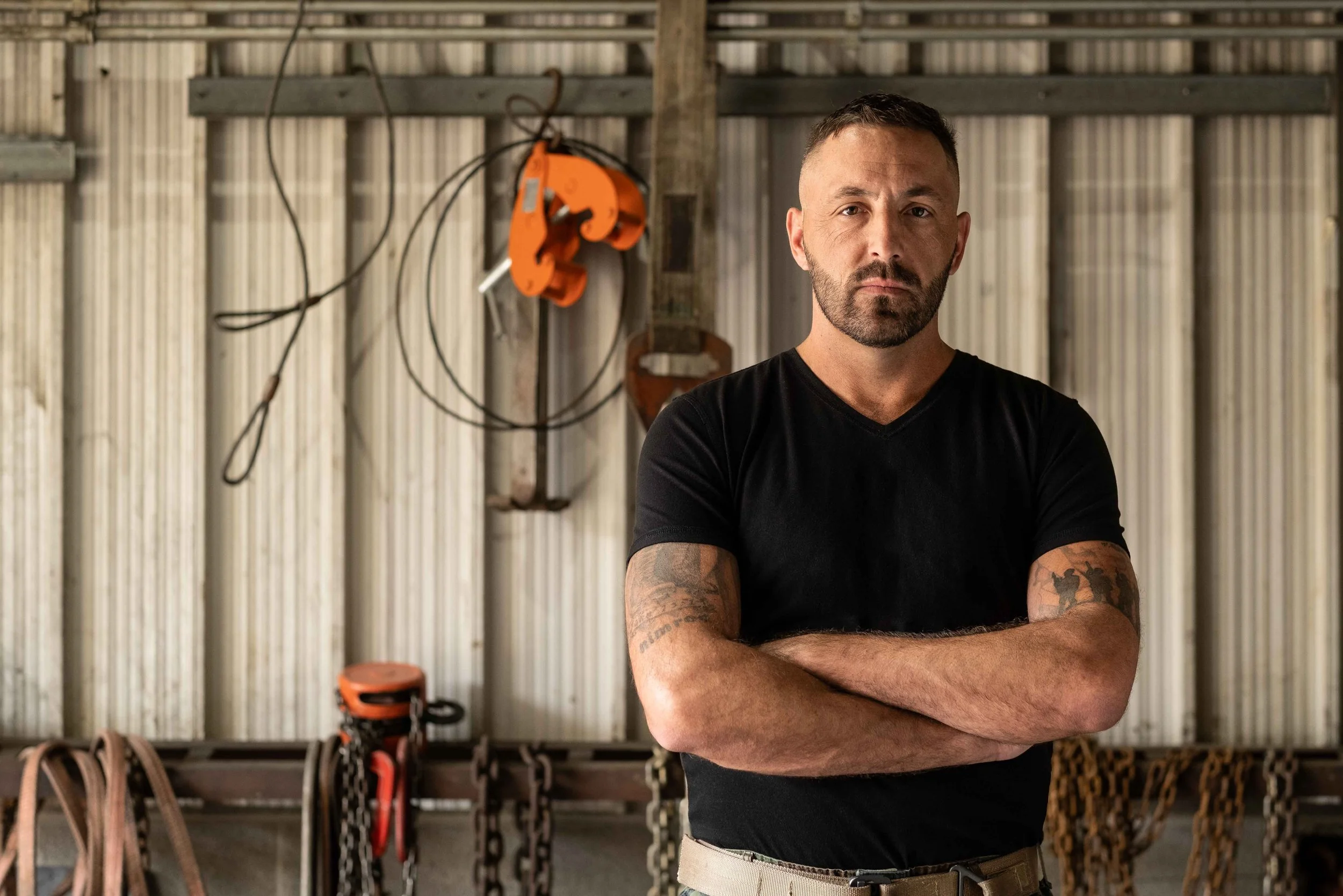
Andy Weins, Camo Crew Responsible Removal
11:00 AM - 11:15 AM BREAK & EXHIBITS
Location: Minnetonka Prefunction and Minnetonka 1-6
11:15 AM - 12:15 PM RECYCLING
Location: Minnetonka 7-9
Packaging Needs Assessment
Eunomia Research & Consulting was selected by the MPCA to complete the preliminary and full needs assessment under The Packaging Waste and Cost Reduction Act. Eunomia has previously completed needs assessments for California (x2), Maryland and Colorado including one needs assessment for California focused on source reduction including reuse, refill and other packaging design related measures to reduce the amount of packaging sold in the state. The purpose of the Packaging EPR Program in Minnesota is to reduce the environmental and human health impacts of packaging waste. The preliminary needs assessment which will be completed by Feb 1, 2026, provides an overview of how packaging is currently managed across the state through curbside and related infrastructure providing an assessment of how much packaging materials is recycled and the cost of recycling. The full needs assessment process provides a more detailed assessment of current service provision but also provides analysis to inform decision on future reuse, recycling and composting target setting and the investment needed to improve the existing system and develop new systems for reuse. The full needs assessment process is a critical study that informs the development of the Producer Responsibility Program Plan and is carried out by the state every 5 years.
The presentation will provide an overview of the process, present some initial findings and outline how different stakeholders in the state can engage and contribute to the process.
Presenter:
Sarah Edwards, Eunomia Research & Consulting
Planning for EPR Programs, What Should Minnesota Expect?
HDR will review EPR activities occurring throughout the country through the lens of how this may impact the Minnesota solid waste and recycling industry. We'll also review what the outcome of Needs Assessments dictates and what the engagement the industry stakeholders should expect during the program planning efforts by the MPCA.
Presenters:
Dan Bacehowski, HDR
Recycling vs. Format: How Legislative Drivers Highlight Challenging Packaging Formats
As EPR legislation develops and higher levels of scrutiny are placed on packaging recyclability. The question of how to handle small format materials and film and flexibles is becoming more important. In this presentation, Harrison will review how consumer brands and MRFs are working to increase the capture of hard to recycle materials and the changes both can make to increase recycling rates and align with upcoming legislation.
Presenter:
Harrison Nix, Green Group Consulting
Moderator:
Maggie Yauk, Anoka County Recycling & Resource Solutions
11:15 AM - 12:15 PM ORGANICS MANAGEMENT

Location: Isanti 1
Track Sponsored By:
Food Waste Evaluation: Regional Approach to Food Waste Diversion
Diverting food waste from landfills continues to be a priority and challenge for many communities. Iowa and Wisconsin, two states close in proximity but differing in approach, are both in the process of completing food waste management evaluations. These two states have differing existing infrastructure, regulations, collection programs, public education, and political climates that impact how food waste is currently managed and what the future of food waste diversion could look like.
Iowa and Wisconsin both received Solid Waste Infrastructure for Recycling Grants (SWIFR) to complete statewide assessments. HDR supported both projects, using a different approach for each to meet the specific needs of the community. Our team used a variety of tools to collect data on existing programs and infrastructure, while also completing robust outreach to various sectors impacted by food waste management. Surveys and listening sessions gathered key data from food waste generators about opportunities and challenges for managing food waste beyond landfill disposal.
These two states face similar challenges as many other states – both have densely populated areas but also rural regions that are less populated and further from existing infrastructure for managing food waste. The strategies for diverting food waste in such regions must be a tailored approach and cannot be a one-size-fits-all solution.
The learning objectives for this session will include:
Methodology for how data was gathered and analyzed to create a snapshot of existing systems and food waste generation.
How engagement with food waste generators can help drive further planning.
The role of state agencies in promoting food waste diversion.
Presenters:
Amanda Erickson, HDR
Emily Sisk, HDR
Moderator:
Cami Van Abel, Foth
11:15 AM - 12:15 PM SOLID WASTE
Location: Isanti 2
Will MSW Landfills in MN & ND Ever Really Close?
Modern MSW landfill facilities have been permitted, constructed and operated in accordance with the sweeping changes identified in the Resource Conservation and Recovery Act (RCRA) Subtitle D legislation promulgated into federal law in early 1990s. This legislation identified a 30-year post closure care period for facilities to safeguard the environment from pollution. The industry has progressed to a point where some facilities have completed the post-closure care period but still pose a threat to the environment. The industry has observed that the initial assumptions of RCRA subtitle D and the associated “dry tomb” approach may not have been as accurate as anticipated. The “dry tombs” imagined for solid waste management may not have been as “dry” as realized. This combined with new/emerging contaminants and added pressure on the disposal system with increased disposal volume(s) challenges the thoughts from years past that facilities could potentially close within a 30-year period.
This presentation will review the assumptions established for post closure care while offering a summary of the regulatory insights related to facility closures observed over the past 30 years. The presentation will include a summary of the MSW facilities in Minnesota and North Dakota as related to post closure/closure status. The presentation will include content regarding “functional stability” as related to the end of post-closure care.
Presenters:
Dennis McAlpine, Houston Engineering, Inc.
Dave Lucas, Sherburne County Solid Waste Administrator
Reducing Risks at Recycling and Solid Waste Facilities
Facilities that process source separated recyclables or municipal solid waste are subject to an ever-increasing risk of facility damage or personnel injury due to fire or exposure to undesirable materials. Anybody can put anything in their curb-side containers, and with automated collections it will likely find its way to a material recovery facility(MRF) or waste-to-energy facility(WTE) where it will be delivered to a tipping floor ready for processing. These bad actors include:
Various forms of batteries (especially lithium-ion)
Chemicals (such as powders and aerosols)
Hazardous materials
Non-processible materials
Each category represents different types of risks that may result in equipment damage or injury to personnel. The most prevalent today are fires originating from lithium-iron (LI) batteries. Other risks can include tipping floor accidents, hazardous material exposure and equipment damage from non-processible materials.
This presentation will first summarize how the undesirable material entered the waste stream and identify any regulations that may apply to the source or the receiving facility. The primary focus of the presentation will focus on recent and evolving technologies that can help reduce those risks by early detection and accelerated responses. The technologies to be covered in the presentation include:
Early detection and monitoring – Battery detection, IR cameras to detect incremental temperature increases, remote monitoring, remote control of fire canons, etc. (Fire Rover, Movietherm, etc.)
Radiation detection on incoming vehicles
Tipping floor management and monitoring of non-allowed/non-processible materials (Visia system)
The presentation will also include a survey of some Minnesota facilities that have experience with these hazards and have either taken steps to implement the reviewed technologies or plan to implement them in the future.
Presenter:
Matt Clark, RRT Design and Construction
Nathiel Egosi, RRT Design and Construction
Moderator:
Jennefer Klennert, HDR
11:15 AM - 12:15 PM WASTE PREVENTION/REDUCTION
Location: Isanti 3
Campus Zero Waste: A University of Minnesota Roadmap
Although waste diversion is a pillar of sustainability, it can often be overlooked in conversations about the overall impact of sustainability goals on university campuses. Trash can often be "out of sight, out of mind" but a strong waste diversion program entails participation and cooperation from not just students but leadership and the campus community as a whole to foster an inclusive culture of sustainability. University waste diversion plans can be a critical piece for helping a campus achieve its waste diversion and climate impact goals.
The University of Minnesota - Twin Cities (UMN-TC) is charting an ambitious course with its first Zero Waste Plan, building upon existing diversion efforts and pushing forward a clear campus-wide target: divert 90% of all waste away from disposal through recycling, composting, reusing, and minimizing waste generation. Accomplishing this requires moving beyond combating contamination to increasing the capture of valuable opportunities still in the trash.
This presentation will go into detail on the UMN-TC's waste management practices, why data collected through a campus waste audit can be enlightening, and reveal where opportunities exist to expand waste programs and collect more divertible materials. Additionally, the presentation will offer insights to how UMN-TC is approaching communications and procurement challenges.
Central to the Zero Waste Plan is the Communications Roadmap which tactfully connects the complexities of materials management infrastructure updates to those who will interact with and use the system. Engaging the campus community helps improve implementation outcomes of waste reduction and recovery efforts, though not all communications strategies are a one size fits all approach. Furthermore, the planning process is also addressing new procurement policies that will help UMN-TC reduce waste, save money, support recycling end markets, reduce the toxicity of items used on campus, and reduce global greenhouse gas emissions, aligning with UMN-TC’s Climate Action Plan
This presentation will discuss the next steps for the University to reach zero waste and how a Zero Waste Plan can provide strategic direction needed to move the needle forward on organizational sustainability goals. Attendees will come away from this presentation with actionable information on how to get started with their own waste diversion plans and contribute to the circular economy in meaningful ways.
Presenters:
Karre Wagner, Resource Recycling Systems (RRS)
Ahnika Seifert, University of Minnesota
Moderator:
Kristin Pierskalla, Hennepin County
12:15 PM - 1:30 PM LUNCH & EXHIBITS
Location: Minnetonka Prefunction and Minnetonka 1-6
1:30 PM - 2:45 PM RECYCLING
Location: Minnetonka 7-9
Talking Trash: Why Strategic Communications is the Secret Ingredient for Solid Waste Success
Trash and recycling isn’t just about trucks, carts, and processing facilities, it’s about people. Every day, people, including residents & businesses, make choices: Do I recycle this can? Compost these food scraps? Or just toss it all in the trash? The truth is, even the best-designed programs and policies won’t succeed if people don’t understand it, trust it, or believe it matters. That’s where strategic communications comes in to support. This session takes a lively, hands-on look at why strategic communications is the “secret ingredient” for solid waste success—because getting people on board is just as critical as getting trucks on the road and materials collected. We’ll dive into stories and lessons learned from communities across the Midwest:
Hennepin County, MN – Responses from 500 residents revealed surprising gaps in awareness, equity, and satisfaction with waste services, including drop off sites and curbside collection.
Brookings, SD – A playful truck wrap campaign (“Yep, you can recycle that!”) shifted social norms and boosted recycling awareness, while considering unique factors to the cultures of the city.
Dubuque, IA – A behavior-change playbook helped expand a food scraps recycling program and lowered barriers to participation, using key insights from surveying efforts.
Cedar Rapids, IA – Branding and storytelling turned a technical long-term waste plan into something the public actually wanted to talk about.
Our team will share findings and approaches used, combining solid waste expertise and strategic communications tactics like surveys and messaging for program success. If selected for a longer timeframe, our team will detail how to utilize readily available data to inform communications, education, and marketing strategies that benefit solid waste programs. We’ll share how demographic, sociographic, and geographic data, as well as statistically significant survey methods, can provide a better understanding of audiences to more effectively influence what they think, know, and feel.
We’ll wrap with a quick “Build Your Campaign” mini workshop, where small groups brainstorm catchy slogans for real-world waste challenges. Attendees will leave with fresh ideas, relatable stories, and ready-to-use tools to make their programs click with their communities.
Presenter:
Amanda Erickson, HDR
Brian Miller, HDR
Building Public Confidence in Recycling
This presentation will review strategies to build public confidence in the face of rising skepticism of recycling. It will place this skepticism in context with negative media, ongoing confusion and recent behavior insights that explain the trend. The bulk of the presentation will focus on the need to engage the public on a deeper level than simple “how” and “what” instructional education. It will cite research-based messaging strategies and case study examples of how to strengthen people’s relationship with recycling and validate their participation on an emotional level. The presentation will discuss ways in which the current disjointed recycling system contributes to confusion and public skepticism, and the importance of regional harmonization efforts to reverse this.
Presenter:
Alec Cooley, Busch Systems
Moderator:
Maggie Yauk, Anoka County Recycling & Resource Solutions
1:30 PM - 2:45 PM ORGANICS MANAGEMENT

Location: Isanti 1
Track Sponsored By:
Composting Methods: SMSC
Learn about the SMSC's new composting facility, Dakota Prairie Composting. This presentation will cover pros and cons of various composting methods that were evaluated during the planning and construction of the new facility, and how we came to select Aerated Static Pile Composting. This presentation will cover how Dakota Prairie Composting's reversing aeration system works to compost material quickly, effectively, and with minimal odor. Background and history on the facility will be shared, as well as how to scale a composting operation for anyone just starting out.
Presenters:
Dustin Montey, Dakota Prairie Composting
Compost Labeling Law
An overview of Minnesota’s compostable product labeling law including requirements, progress on implementation, and answers to frequently asked questions.
Presenters:
Gwen Jenkins, Minnesota Pollution Control Agency
Moderator:
Caleb Werth, US Composting Council
1:30 PM - 2:45 PM SOLID WASTE
Location: Isanti 2
Municipal Solid Waste Resource Recovery: A Promising Environmental Treatment for PFAS
The Minnesota Resource Recovery Association (MRRA) is a public-private membership organization, representing more than 1/3 of the Minnesota counties, utilizing municipal solid waste as a local, renewable, and sustainable resource to generate energy. MRRA members safely operate resource recovery facilities using state-of-the-art technology-based solutions within integrated solid waste systems fostering the waste management hierarchy.
The MRRA recently commissioned a study to determine the effectiveness of resource recovery (thermal energy generation from waste with significant waste volume reduction) to destroy the emerging environmental contaminant, PFAS, found in municipal solid waste. The study included characterizing the amounts of PFAS in solid waste, conducting resource recovery facility air emissions and combustion ash testing, and calculating the scope of the destruction of PFAS using representative resource recovery technologies. The results of the study reflected that resource recovery provides the additional benefit of destroying more than 99% of the PFAS found in municipal solid waste.
This session will include the following:
Overview of the MRRA including its mission, goals, members, and the role of Resource Recovery as part of integrated solid waste management systems.
Presentation of the MRRA commissioned PFAS study including its methodology, results, and groundbreaking environmental benefits.
Facilitated discussion with three panelists involved in the study addressing the rationale for undertaking the study, challenges and limitations of the study, and significance of the results for mitigating the environmental concerns associated with PFAS.
Comments and questions segment for session attendees.
Session attendees will be provided with a detailed understanding of how the application of resource recovery for the thermal destruction of PFAS in the solid waste stream offers promising benefits for the future.
Presenters:
Robert Craggs, Minnesota Resource Recovery Association
Chris McConn, Otter Tail County
Michael Cook, Olmsted County
Dave McNary, Hennepin County
Moderator:
Jennefer Klennert, HDR
1:30 PM - 2:45 PM WASTE PREVENTION/REDUCTION
Location: Isanti 3
Waste Reduction Via Sustainability Revolving Fund
In 2025 Allina Health set up a $2 million Sustainability Revolving Fund to pay for upfront costs of sustainability cost saving projects at the health system. Revolving funds are often used in cities and educational institutions to pay for energy projects. At Allina Health, however, the revolving fund was also used to pay for the upfront costs of a waste reduction project, surgical instrument sterilization trays for a large hospital. This presentation will detail the sterilization tray project as well as how the revolving fund was started, the review criteria, and the results of the program in its first year. The presentation will also include advice for others looking to start a revolving fund that can be used to support waste prevention projects.
Presenter:
Suzanne Savanick Hansen, Allina Health
From Planning to Progress: How to Achieve Large Scale Recycling Success
Implementing large-scale recycling and waste prevention initiatives in a space utilized by hundreds of people can dramatically reduce landfill waste and shrink environmental footprints. Yet, while success stories often highlight impressive outcomes and significant diversion, the critical planning and implementation steps that make those results possible remain largely unseen. Achieving widespread adoption of recycling within a large organization requires overcoming challenges such as employee buy-in, contamination, compliance, and logistical complexity.
This interactive panel will uncover the behind-the-scenes process of launching company-wide recycling and waste prevention programs—from identifying effective solutions and building internal support to securing funding, coordinating partners, and moving projects from concept to implementation. Walking through two case studies, panelists will share real-world examples that illustrate organizational traits that enable change and practical strategies for tackling common obstacles. Attendees will gain insights into navigating barriers such as safety concerns, limited partner capacity, and logistical constraints, while learning how to leverage tools like grants and green teams to accelerate progress. Designed as a workshop-style session, this panel invites audience engagement and delivers actionable takeaways to empower waste professionals to confidently lead their own initiatives. By pulling back the curtain on the planning and implementation process, we aim to transform ideas into scalable, successful solutions. The session will be hosted and moderated by Waste Wise, a nonprofit organization dedicated to providing grant funding, resources, and education on waste reduction, recycling, and composting to businesses and organizations across Minnesota.
Presenters:
Kristyn Buetow, Waste Wise
Carolyn Reimann, Forj Medical
Alboury Ndiaye, Waste Wise
Moderator:
Lauren Gaffron, Waste Wise
2:45 PM - 3:00 PM BREAK & EXHIBITS
Location: Minnetonka Prefunction and Minnetonka 1-6
3:00 PM - 4:00 PM RECYCLING
Location: Minnetonka 7-9
MN Boat Wrap Recycling Program
The Wrap Recycle Right program update highlights Minnesota’s leadership as the first U.S. state to pass a Boat Wrap Extended Producer Responsibility (EPR) law. The program, administered by CIFFRO with support from Reverse Logistics Group, aims to create a sustainable system for collecting and recycling boat shrink wrap. The presentation covers EPR principles, Minnesota’s legislative history, program milestones, logistics, and rollout plans. It emphasizes the importance of proper material handling, stakeholder engagement, and phased implementation to achieve ambitious recycling goals—50% by 2030 and 80% by 2035.
Presenters:
Sarah Bonvallet, Reverse Logistics Group
One Partner from Collection to Recovery: Building Confidence in Electronics Recycling Programs
Electronics recycling programs work best when there is clear responsibility at every step of the process. From the moment devices are collected to their final processing, communities benefit from knowing who is responsible and how materials are handled along the way. When multiple vendors are involved, coordination can become more complex and oversight more challenging.
This session explores the benefits of working with a single recycling partner that manages the entire process—from collection and transportation to data protection, reuse, and final recycling. This approach helps communities maintain clarity, improve coordination, and build confidence in their recycling programs.
Attendees will learn how having one accountable partner can simplify program management, reduce administrative effort, and support consistent service delivery. The session will highlight how clear processes and good communication make it easier for staff to manage programs and respond to questions from residents and local leadership.
The presentation will also discuss what to look for when selecting a recycling partner, including how materials are tracked, how data is protected, and how reuse and recycling are handled responsibly. Real-world examples will show how communities have benefited from streamlined approaches that improve efficiency and reduce unnecessary complexity.
By the end of the session, participants will have practical guidance to help them choose recycling partners that support well-organized, transparent, and dependable electronics recycling programs that serve residents effectively.
Presenter:
Casey Hines, Dynamic Lifecycle Innovations
Moderator:
Robert Craggs, Craggs Consulting LLC
3:00 PM - 4:00 PM ORGANICS MANAGEMENT
Location: Isanti 1
Track Sponsored By:
From Organic Waste to Operational Value: Biochar as a Wood Waste Management Strategy Municipal waste agencies and private operators across North America are facing increasing challenges in managing organic waste streams as landfill capacity tightens, disposal costs rise, and regulatory and climate expectations expand. Among these organic materials, clean wood waste—including construction and demolition (C&D) wood, pallets, land-clearing debris, and urban forestry residues—represents a significant portion of the waste stream that is often difficult to manage through traditional organics pathways. Biochar production has emerged as a practical, operator-focused solution that converts wood waste into a stable, beneficial product while delivering measurable system-level benefits.
Biochar is produced through pyrolysis, a thermal conversion process that treats organic material in a low-oxygen environment. When applied to clean wood waste streams, biochar systems can reduce incoming material volume by approximately 70–80 percent while stabilizing a portion of the carbon for long-term storage. For solid waste programs, this reduction directly supports landfill life extension, reduced hauling and handling costs, and improved overall system efficiency compared to landfilling or low-value disposal options. Unlike composting, biochar production is particularly well suited for woody materials that are slow to decompose and can be operationally challenging in conventional organics programs.
This session presents biochar as an organic waste management strategy through the lens of solid waste operations and infrastructure planning. Real-world implementation is highlighted through the Minneapolis biochar facility, which provides a working example of how urban wood waste streams—such as C&D wood, pallets, and tree waste—can be integrated into existing municipal solid waste systems. The facility demonstrates how biochar production can be sited alongside existing infrastructure, use commercially proven equipment, and produce marketable end products while supporting local waste diversion and climate goals.
In addition to volume reduction, biochar creates beneficial outlets for diverted organic material. Common end uses include soil amendment for agriculture, land reclamation, and green infrastructure projects, where biochar improves water retention, nutrient efficiency, and soil resilience. These applications provide a productive, locally relevant use for diverted wood waste and support broader public works and land management objectives.
Biochar also functions as a filtration and treatment medium relevant to solid waste operations. Its porous structure enables use in stormwater treatment systems, leachate filtration, and wastewater polishing, including removal of nutrients and other contaminants associated with waste management facilities. In some applications, spent biochar can be reused or repurposed as a soil amendment, supporting closed-loop material management.
Drawing on operational considerations, case examples, and system performance data, this presentation discusses siting, feedstock quality, permitting considerations, and integration pathways relevant to RAM and SWANA audiences. Attendees will leave with a practical understanding of how biochar can function as a durable, scalable organic waste solution—particularly for wood waste streams—and how it can support resilient, forward-looking solid waste systems.
Presenter:
Sonya Betker, SCS Engineers
Katie Youtsos,
Moderator:
Angie Lemar, Foth
3:00 PM - 4:00 PM SOLID WASTE
Location: Isanti 2
Dakota County School Vape Disposal Program
Vape devices are a hazardous waste that can pose a risk to human health and the environment when they are not disposed of safely. The nicotine is detrimental to the environment, and the batteries can cause fires. Vapes are the most commonly used tobacco product among youth in the United States. A survey of Dakota County schools highlighted the need for support with managing confiscated vapes. Dakota County Environmental Initiatives, Waste Regulation and Public Health collaborated to develop the School Vape Disposal Program to help schools safely store and properly dispose of confiscated vapes. This presentation will give an overview of the program, including a timeline, school engagement, training and resources provided, disposal process and costs, frequently asked questions, program evaluation and plans for the future.
Presenter:
Kristi Otterson, Dakota County Environmental Resources Department
Managing Problem Wastes Responsibly
Pope/Douglas Solid Waste Management offers a Special Burn Program to provide customers (primarily government) with waste destruction for materials that cannot be disposed of by landfilling. Examples include waste pharmaceuticals, criminal evidence no longer needed, confiscated contraband to waste vape pens that cannot be transported to other states for disposal. This program covers a significant gap in disposal options here in Minnesota and goes a long way to provide responsible and cost effective disposal alternatives that do not exist elsewhere. Please join us to hear more about how this program compliments the integrated waste management system and gets the right waste to the right place.
Presenter:
Megan Berg, Pope/Douglas Solid Waste Management
Moderator:
Caleb Werth, US Composting Council
3:00 PM - 4:00 PM WASTE PREVENTION/REDUCTION
Location: Isanti 3
Fix-It Clinics: Rethinking Waste at the Community Level
Fix-It Clinic events connect broken items with skilled volunteers to give new life to objects that would have otherwise ended up in the trash. In two case studies, Fix-It Clinic organizers from Reuse Minnesota and Resource Renew (the brand of WLSSD) explore lessons learned, analyze community impacts, and introduce Reuse Minnesota’s Fix-It Clinic toolkit.
Presenters:
Emma Pardini, Resource Renew
Emily Barker, Reuse Minnesota
The Power of Perseverance and Reuse
After receiving the Greater MN Waste and Recycling Grant in 2022, the Renovation Reuse Building was built between Kasson and Mantorville in Dodge County. Because of some challenges faced with other components that needed to fall into place, the building was up and running but not complete until now receiving the Statewide Sustainable Materials and Resource Management Grant in January of 2025. Things are coming together and 2026 will be a great year for helping the community with accepting and selling much needed materials at very affordable prices, along with offering fix-it clinics and swap meets to keep our goal of less items going into landfills and waste to energy. See how far it has come and what the future will hold for reuse in Dodge County!
Presenter:
Rita Cole, Dodge County Environmental Services
Moderator:
Kristin Pierskalla, Hennepin County